
Sustainable Design and Build
“What’s the use of a fine house if you haven’t got a tolerable planet to put it on” – Thoreau
We often ask ourselves why wait until 2050 to build sustainable and carbon neutral buildings when the technology already exists today?
There is little argument that we all need to make a change to protect our environment, and we are doing this one building at a time.
We aim to show the world that sustainable construction can be better designed, quicker to construct, more cost effective, and more aesthetically pleasing than traditional build methods.
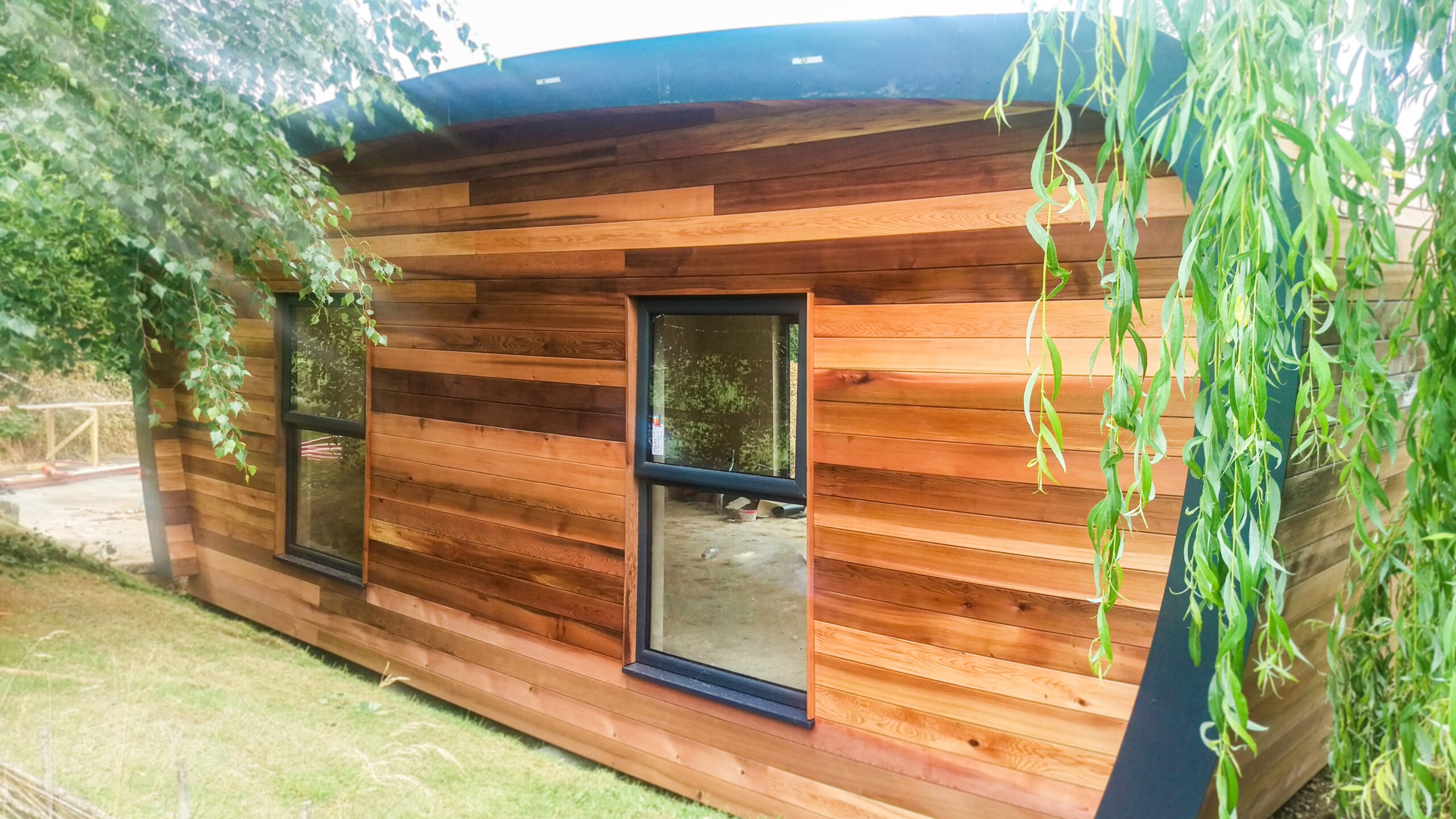
Our team keeps up-to-date with cutting edge sustainable design and build practices and materials, and we solely construct via the use of SIPs panels and timber frames to ensure we are a leading green building company.
All materials that go into our building are recycled where possible, can be recycled at the end of their life, and are highly energy efficient. We ensure all timber used is FSC certified meaning 2 trees are planted for every on used in the construction of our buildings.
By doing this we regularly achieve A to A+ EPC ratings, and can offer the seamless integration of renewable energy sources into every building we make.

Did you also know that in the UK….
It will take a 75% to 80% reduction in current building regulation standards to reach carbon neautral by 2050
Around 18% of all carbon emissions are from housing
Only around 3% of all buildings get an A or A+ EPC/EER energy rating
Only around 15% of all non domestic buildings get above a C EPC engery rating
Did you know that worldwide construction accounts for up to....
of climate change
0 %
of landfill waste
0 %
of drinking water pollution
0 %
of energy usage
0 %
of air pollution
0 %
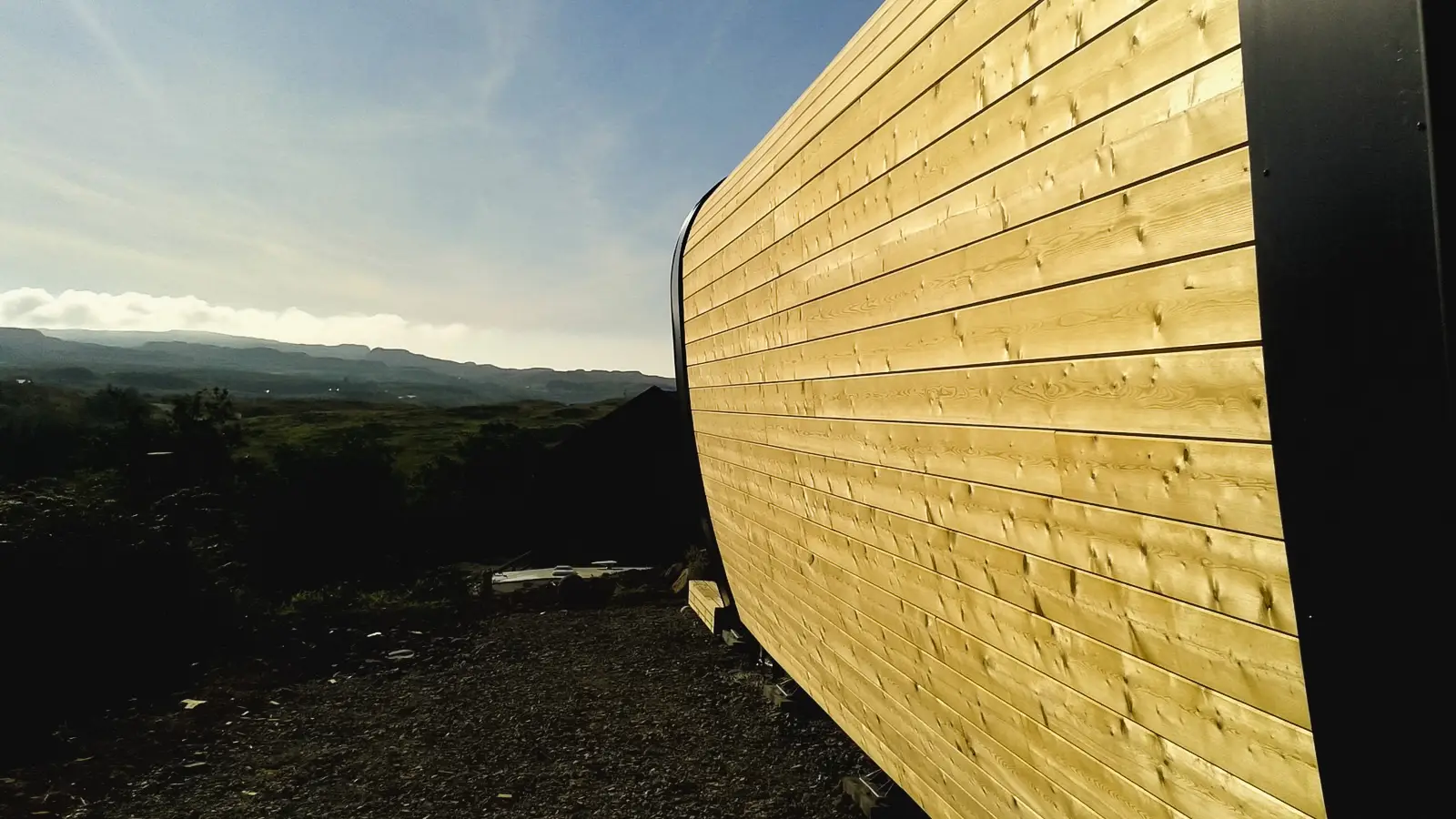
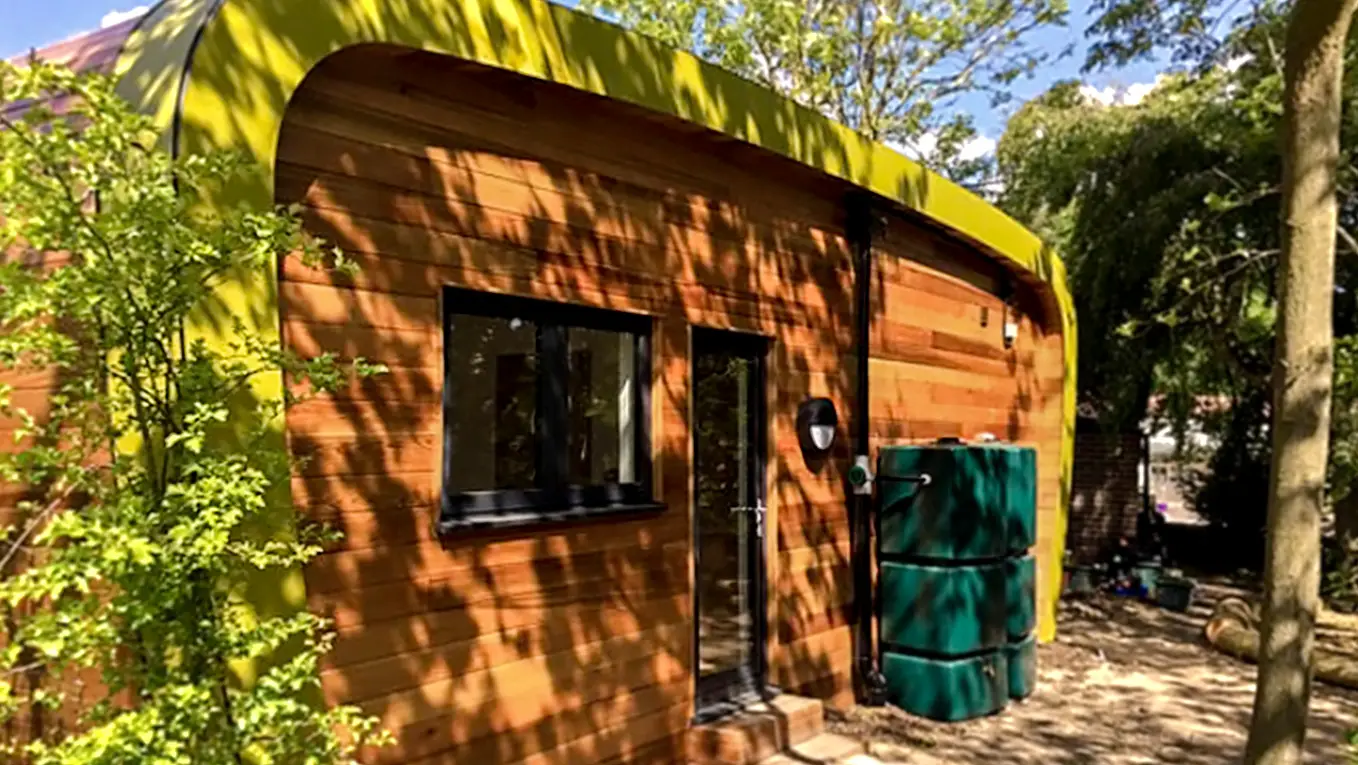
Passive Buildings
- We are delighted to be able to offer Passivhaus standards on our whole range of buildings.
- Passive housing is a type of construction that focuses on creating buildings that are energy efficient and comfortable without the use of mechanical systems.
- It takes advantage of natural elements like sunlight and wind to reduce the need for heating, cooling, and ventilation systems. Passive housing also utilizes high-performance insulation, airtight construction, and airtight windows and doors to minimize air leakage and energy loss.
- The result is a structure that is highly energy-efficient and requires little to no energy to maintain a comfortable temperature throughout the year. Passive housing is an environmentally friendly and cost-effective way to reduce energy consumption and create healthier and more sustainable living spaces.


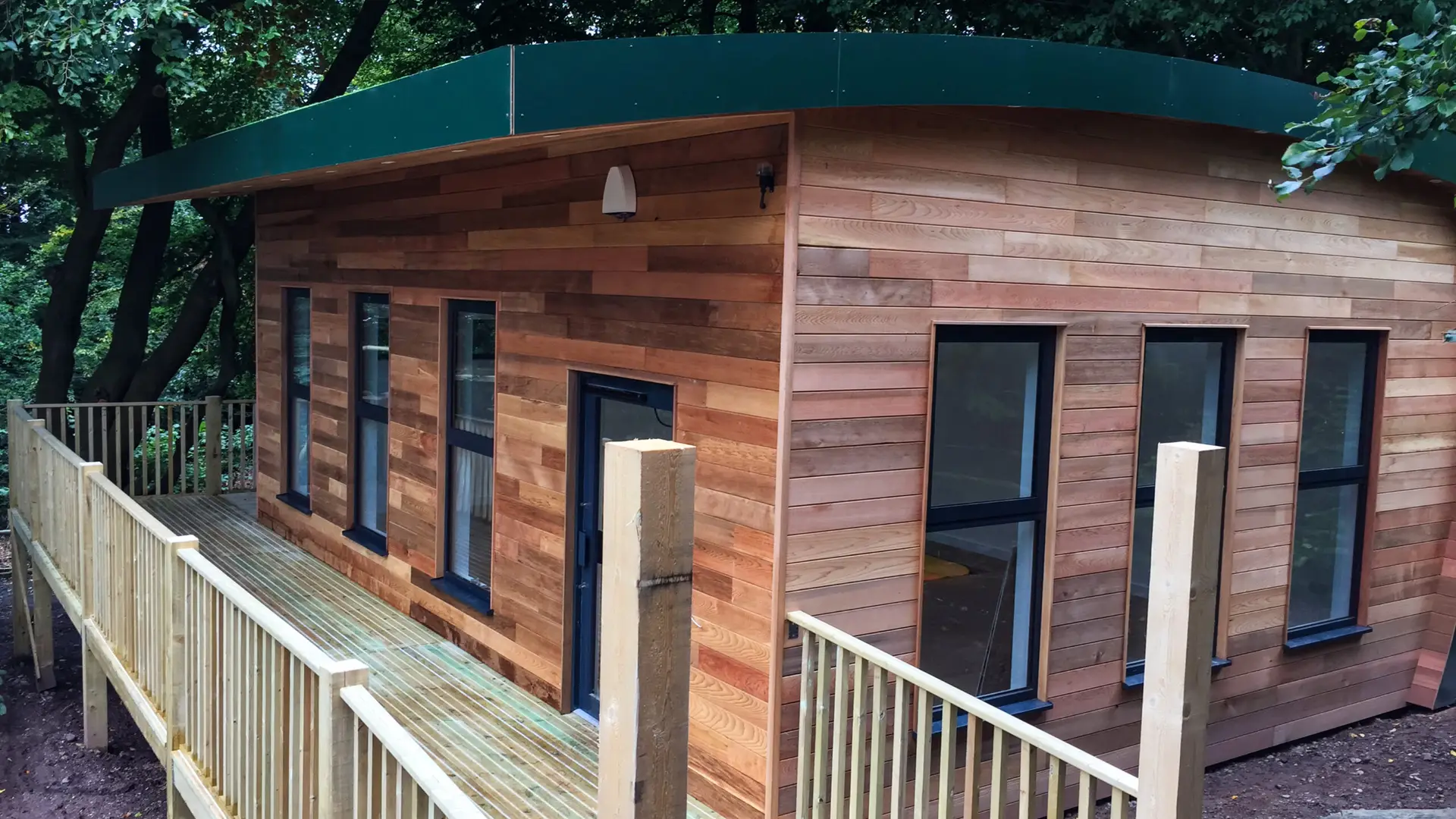

Renewable Energy
Renewable energy sources are naturally replenished and play a crucial role in combating climate change and reducing our reliance on fossil fuels. By harnessing the power of nature, we can offer a sustainable design and build service that generates clean electricity, heat, and fuel, ensuring a sustainable future for generations to come.
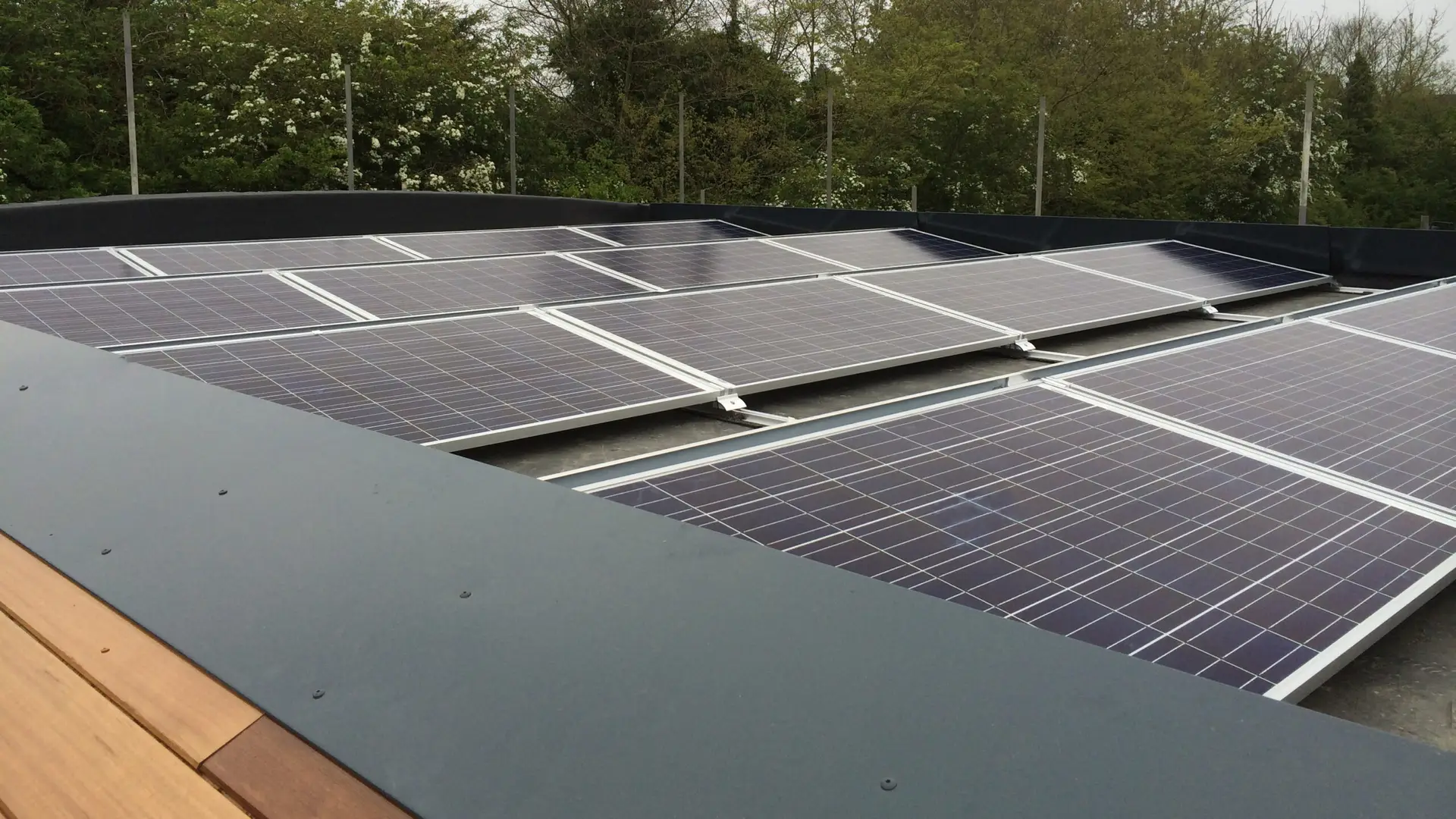
Solar energy, derived from the sun’s rays, is one of the most abundant and versatile renewable resources. Solar panels, consisting of photovoltaic cells, convert sunlight directly into electricity. This technology has become increasingly affordable and efficient, making it a popular choice for residential and commercial applications. Solar energy not only reduces greenhouse gas emissions but also lowers electricity bills and provides energy independence.
Water harvesting is another essential renewable energy practice. By collecting and storing rainwater, we can reduce our dependence on traditional water sources and mitigate the effects of droughts. Rainwater can be used for irrigation, household purposes, and even to recharge groundwater. This practice not only conserves water but also helps to prevent flooding and soil erosion.
Beyond solar and water, other renewable energy sources offer significant benefits. Wind power, generated by wind turbines, is a mature technology that produces clean electricity with minimal environmental impact. Geothermal energy, derived from the Earth’s heat, can be used for heating and cooling buildings, as well as generating electricity. Biomass, obtained from organic matter, can be converted into biofuels, providing a renewable alternative to fossil fuels.
Renewable energy sources offer a sustainable and environmentally friendly way to meet our energy needs. Solar panels, water harvesting, wind power, geothermal energy, and biomass are just a few examples of the diverse range of technologies available we can incorporate into our buildings.
By using our sustainable design and build ethos, and investing in renewable energy, we can reduce our carbon footprint, protect natural resources, and create a cleaner and healthier planet. The transition to a renewable energy future is not only possible but essential for the well-being of both current and future generations.