



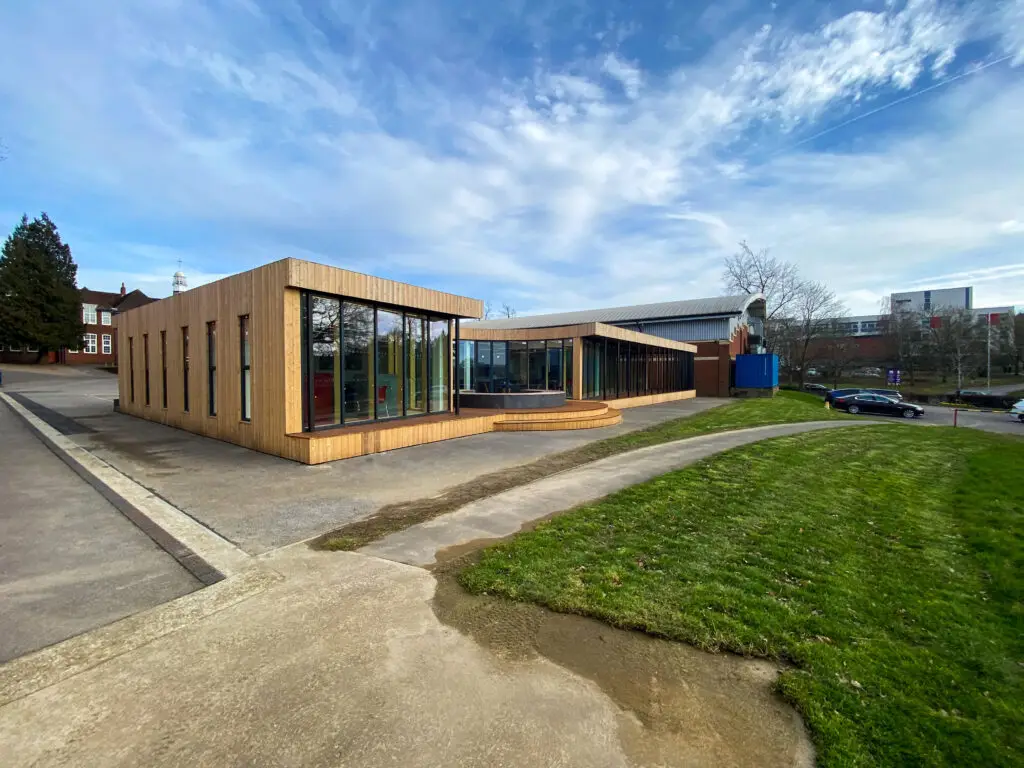
The Importance of Sustainable Classrooms.
The Importance of Good Sustainable Classroom Design: A 21st Century Imperative
The design of educational spaces plays a crucial role in shaping the learning experience and well-being of students. In an era marked by increasing environmental concerns, good sustainable design for classrooms has become more than a trend; it’s a necessity.
Sustainable design principles go beyond aesthetics, focusing on creating environments that are not only visually appealing but also functional, healthy, and environmentally responsible. By integrating sustainable design into classrooms, we can cultivate spaces that promote student engagement, improve academic performance, and foster a sense of environmental stewardship.
Enhancing the Learning Environment
Well-designed classrooms can significantly impact student learning outcomes. Research has shown that factors such as natural light, air quality, and thermal comfort can influence concentration, attention spans, and overall cognitive function. Sustainable design addresses these factors by incorporating elements like large windows for ample daylight, efficient ventilation systems for fresh air, and temperature control mechanisms for optimal thermal comfort.
Additionally, sustainable design can create a more stimulating and engaging learning environment. The use of natural materials, biophilic design elements (incorporating nature into the built environment), and flexible layouts can promote a sense of connection to the natural world, reduce stress, and enhance creativity. By creating a visually appealing and inspiring space, sustainable design can foster a positive learning atmosphere that encourages exploration, collaboration, and active participation.
Promoting Health and Well-being
The health and well-being of students are paramount. Poor indoor air quality, inadequate lighting, and uncomfortable temperatures can lead to various health issues, including respiratory problems, allergies, and headaches. These issues can negatively impact attendance, concentration, and academic performance.
Sustainable design prioritizes the health of occupants by using non-toxic materials, ensuring proper ventilation, and optimizing lighting conditions. It also considers acoustics, ensuring that classrooms are not overly noisy or distracting, which can hinder learning. By creating a healthy and comfortable environment, sustainable design supports the physical and mental well-being of students, contributing to their overall success.
Environmental Responsibility
As the next generation of leaders and decision-makers, students need to understand the importance of environmental sustainability. Classrooms designed with sustainable principles serve as living laboratories, demonstrating how buildings can minimize their environmental impact.
Sustainable design incorporates energy-efficient lighting, appliances, and HVAC systems, reducing energy consumption and greenhouse gas emissions. It also utilises renewable energy sources, such as solar panels, to generate electricity. By reducing resource consumption and waste generation, sustainable classrooms contribute to a healthier planet and set an example for future generations.
Long-Term Cost Savings
While the initial investment in sustainable design may be higher, the long-term benefits outweigh the costs. Energy-efficient buildings can significantly reduce operational expenses, saving money on electricity, heating, and cooling.expand_more Additionally, sustainable design can extend the lifespan of a building, reducing the need for costly renovations or replacements. By investing in sustainable classrooms, schools can create a more financially sustainable future.
Conclusion
The importance of good sustainable design for classrooms cannot be overstated. By prioritising student well-being, environmental responsibility, and long-term cost savings, sustainable design can transform educational spaces into vibrant, healthy, and inspiring environments. It’s an investment in the future of our children and the planet. As we face the challenges of the 21st century, sustainable design offers a pathway to create a more sustainable and equitable world, one classroom at a time.
For more information on our sustainable classrooms and educational buildings, please visit our education page where we have details on the process of the design and build of our sustainable school buildings. If you have any questions or would like to discuss your project, please feel free to contact us and we will be happy to help.


